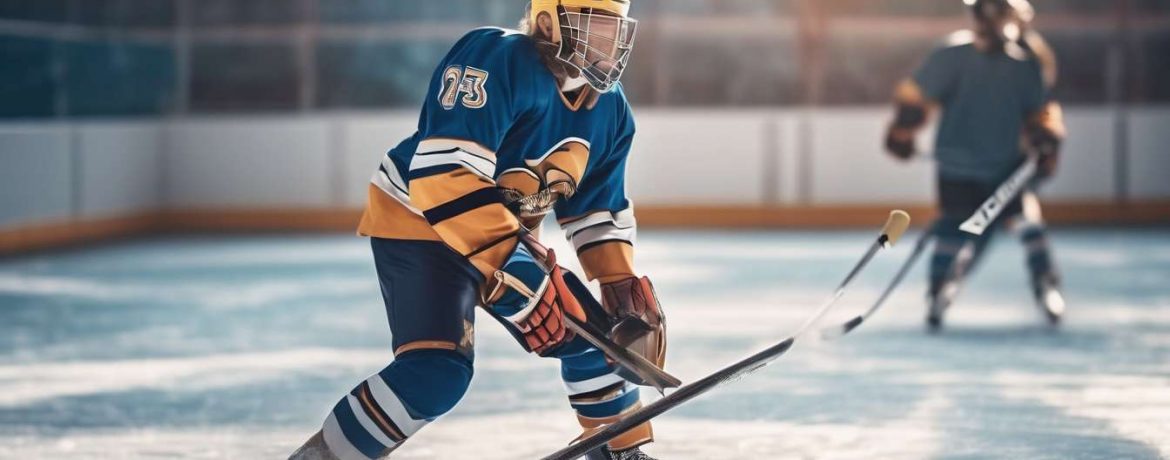
Both football and ice hockey are celebrated for their intensity and rich traditions, yet they inhabit distinctly different arenas in terms of culture and gameplay.
Athletes transitioning between these sports encounter:
- Physical demands
- A shift in strategic thinking
- Skill adaptation
Football emphasizes:
- Speed
- Agility
- Strategic field play
Ice Hockey requires:
- Balance
- Precision
- Rapid decision-making on the ice
This shift is not merely about trading cleats for skates; it reflects an adaptation to a new set of rhythmic challenges and a reorientation towards different styles of teamwork and communication.
The transition involves:
- Mastering ice dynamics
- Puck control
- Maintaining stamina in a faster-paced, continuous play environment
Understanding these nuances provides insights into:
- How athletes can successfully navigate such transitions
- Showcasing the versatility and resilience inherent in sports professionals adapting to vastly different sports spectrums.
For those looking to explore the world of ice hockey further, visiting Hockeystore can provide valuable equipment and insights into the unique demands of the sport.
Physical Demands of Ice Hockey
Ice hockey requires a unique combination of speed, strength, and endurance that sets it apart from many other sports.
Athletes must adapt to the dynamic and fast-paced environment of the ice rink, where swift movements and sudden changes in direction are essential.
Physical Demands:
- The physical demands of ice hockey are immense, demanding not only raw power but also the ability to maintain stamina over prolonged periods.
- Players must develop muscular strength to withstand rigorous physical contact.
- Agility is crucial to maneuver effectively on the ice.
Strategic Thinking:
In addition to the physical aspects, strategic thinking plays a critical role in ice hockey. Players must quickly assess and respond to rapidly changing game situations.
Precision Skills:
- Precision in passing, shooting, and positioning is crucial for success.
- Even minor errors can result in missed opportunities or defensive breakdowns.
This intricate balance of physical prowess and mental acuity fosters a sense of unity among players, enhancing the collective effort required to excel in the sport.
Transitioning Strategic Thinking
Adapting strategic thinking from football to ice hockey involves recalibrating decision-making processes to accommodate the sport’s rapid pace and unpredictability.
In ice hockey, strategic thinking requires:
- An acute awareness of spatial dynamics
- The ability to anticipate opponents’ moves with precision
Unlike football, where plays develop over longer periods, ice hockey demands:
- Quick transitions
- Split-second decisions due to its high-speed nature
This necessitates a heightened focus on:
- Situational awareness
- Adaptability, ensuring that strategic adjustments are made in real-time
The physical demands of ice hockey further complicate strategic planning. Players must:
- Navigate the ice with agility
- Maintain control over the puck
This requires a seamless blend of:
- Mental acuity
- Physical acuity
Successful transition of strategic thinking from football to ice hockey hinges on:
- Understanding these unique challenges
- Refining cognitive approaches to match the sport’s tempo
Emphasizing precision in execution and strategy fosters a cohesive team dynamic, which is essential for thriving in the ice hockey environment.
Adapting Skills for Ice Hockey
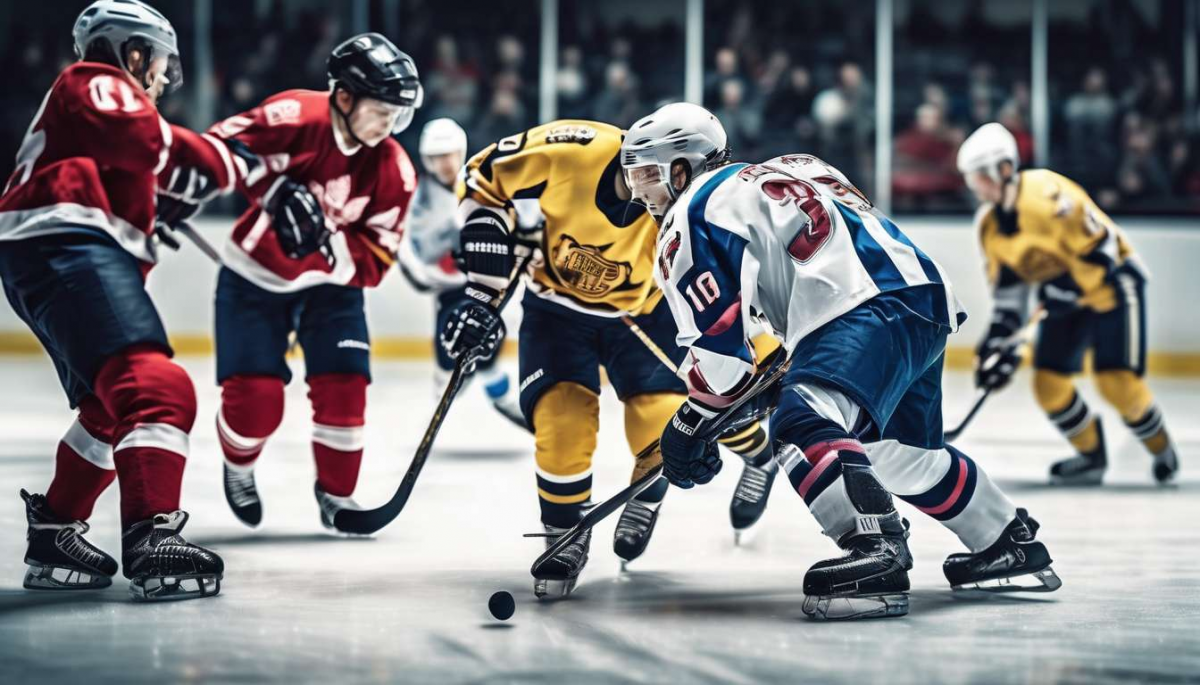
Mastering the necessary skills for ice hockey involves:
- Developing agility on skates.
- Enhancing hand-eye coordination for effective puck handling.
The sport requires athletes to adapt to its unique physical demands, which include:
- Maintaining balance on ice.
- Executing swift maneuvers.
This adaptation fosters a sense of camaraderie among players who share the common goal of refining skills on the ice.
Strategic thinking plays a crucial role in transitioning from football to ice hockey. While football emphasizes position-based tactics, ice hockey demands:
- Quick decision-making.
- Spatial awareness to anticipate opponents’ movements.
Precision in every movement becomes paramount. Players must cultivate the ability to deliver accurate passes and shots, often under the pressure of a fast-paced game environment.
The collective pursuit of mastering these skills creates a bond among players and teams, reinforcing a shared identity within the ice hockey community.
Adapting to these demands not only enhances individual performance but also strengthens team dynamics, fostering an inclusive and supportive atmosphere.
Football’s Emphasis on Speed
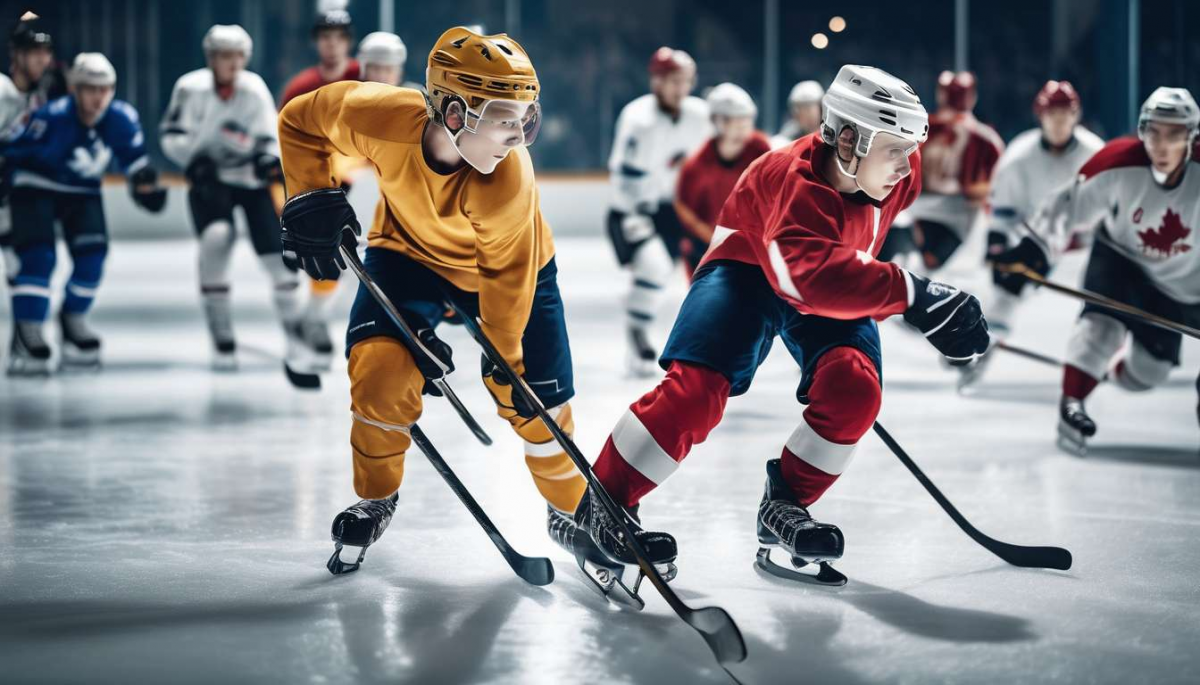
Speed is a fundamental element in football, where players constantly strive to outpace opponents and create scoring opportunities. This emphasis on speed not only defines the rhythm of the game but also dictates the physical demands placed on athletes.
Players must possess exceptional agility and endurance to maintain high-speed performance throughout the match. This physical rigor requires strategic thinking, as athletes must:
- Quickly assess the field
- Anticipate opponents’ moves
- Decide on the best course of action
Precision in execution becomes crucial. The ability to:
- Deliver accurate passes
- Make timely interceptions
- Execute well-timed sprints
is essential for capitalizing on fleeting opportunities.
Speed, combined with strategic thinking and precision, enables teams to break through defensive lines and maintain a competitive advantage. The fast-paced nature of football fosters a sense of unity among players and fans alike, as they collectively experience the thrill of swift, coordinated plays.
This shared experience strengthens the community bond, enhancing the sense of belonging within the sport.

Ice Hockey’s Need for Precision
In ice hockey, every player’s ability to execute precise movements and decisions on the ice is crucial for both offensive and defensive success. The sport demands a high level of precision due to its fast-paced nature and the need for accurate puck handling, shooting, and passing.
Players must navigate the rink while maintaining control, requiring seamless coordination between physical skills and strategic thinking.
The physical demands of ice hockey necessitate a balance between strength and agility, ensuring that players can respond quickly and effectively to rapidly changing game situations.
Strategic thinking plays a vital role in achieving precision on the ice. Players must:
- Anticipate opponents’ movements.
- Make split-second decisions to capitalize on scoring opportunities.
- Thwart adversarial advances.
The synergy between individual precision and collective team strategy underscores ice hockey’s complexity, where each player’s contribution is integral to overall success.
Mastery in these areas fosters a sense of unity and shared purpose, vital elements for teams striving for victory.
Mastering Ice Dynamics in Transition
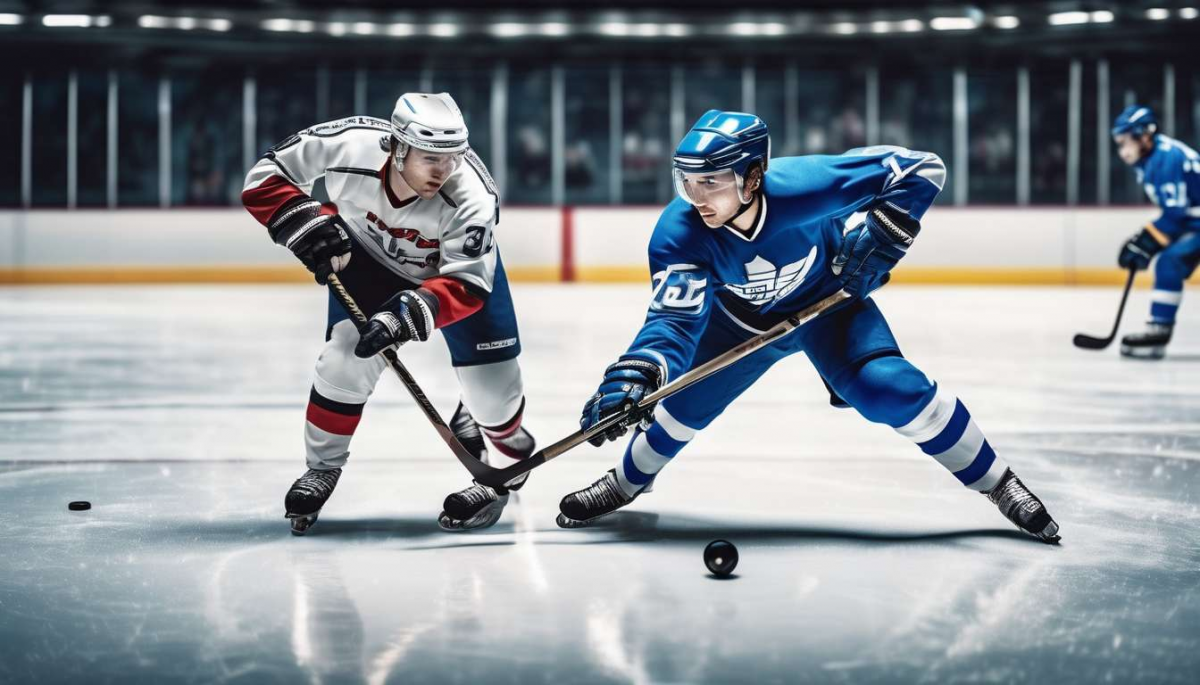
Navigating the fluid dynamics of the ice is crucial for players transitioning between offensive and defensive plays. Mastering these dynamics requires an understanding of the unique physical demands of ice hockey.
Unlike football, where the surface is stable and predictable, the ice introduces variables that challenge:
- Balance
- Speed
- Agility
Players must adapt to these conditions by refining their strategic thinking and employing precise movements to maintain control of the puck and positioning.
Strategic thinking becomes essential when transitioning on ice, as players must:
- Anticipate movements
- Make split-second decisions
Precision in skating and stick handling allows for the seamless execution of plays, ensuring the team retains or regains control during these critical moments.
The ability to respond to the fast-paced nature of the game creates a sense of unity and cohesion among teammates, fostering an environment of mutual trust and reliability.
Mastery of ice dynamics not only enhances individual performance but also strengthens the collective success of the team.