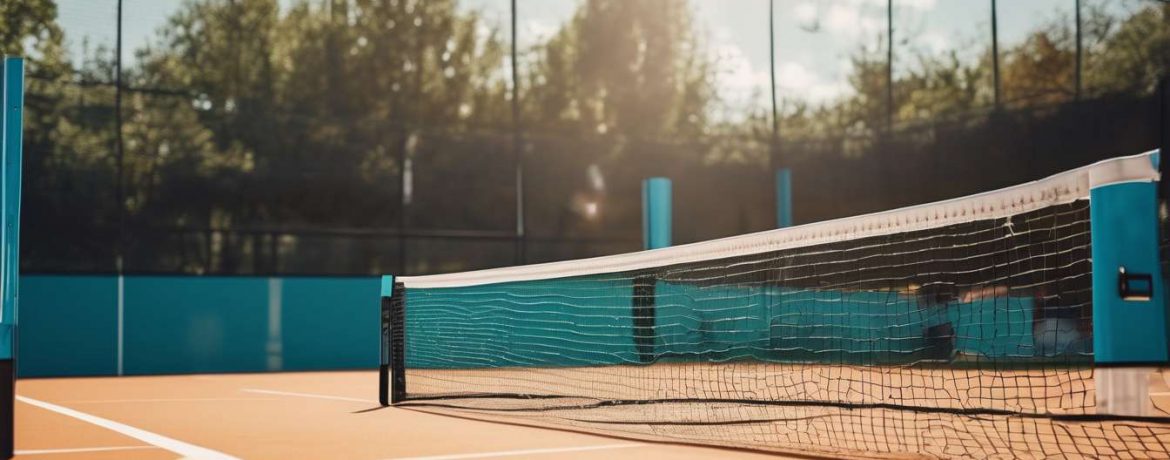
Nestled within the dynamic landscape of sports, a significant trend is emerging: the shift from traditional football to the increasingly popular game of padel. A recent surge in padel’s popularity has captured the attention of both seasoned athletes and sports enthusiasts seeking novel challenges.
This transition is part of a broader movement that sees players embracing faster-paced, accessible games that offer competitive excitement and a social component. In numerous countries once dominated by football fever, padel courts are rapidly appearing, signaling a shift in recreational preferences.
The trend is partly driven by padel’s unique blend of elements from tennis and squash, making it highly engaging for participants of all skill levels. Furthermore, sports communities are drawn to padel’s promise of:
- A fast-learning curve
- Shorter match times
- Opportunities for mixed-gender play
As this evolving preference gains momentum, it prompts a closer examination of the factors contributing to the sport’s growing appeal and its impact on traditional football.
For those intrigued by this trending sport and eager to join the padel movement, discovering where to play padel in Nottingham could be the first step in experiencing this exciting game.
Padel: The New Recreational Craze
In recent years, padel has rapidly gained popularity as a dynamic and accessible sport, attracting enthusiasts worldwide. This sport combines elements of tennis and squash, offering a unique playing experience that appeals to individuals of various skill levels.
Its rise as a recreational activity can be attributed to:
- Straightforward rules
- Smaller court size
These aspects make it easier for beginners to engage without the intimidation often associated with more traditional racquet sports.
Padel’s growth as a social phenomenon is significant, fostering community and camaraderie among players. The sport’s doubles format encourages interaction and teamwork, making it an ideal choice for those seeking both physical activity and social connection.
Clubs and recreational centers have capitalized on this trend by:
- Developing facilities to accommodate increasing demand
- Organizing social events around the sport
As a recreational activity, padel provides an inclusive environment where participants can enjoy physical fitness while building meaningful relationships. This reinforces its status as a burgeoning social phenomenon on the global stage.
Padel vs. Football: The Shift Explained
In recent years, a noticeable shift has occurred as many sports enthusiasts are gravitating away from football towards the increasingly popular sport of padel. This transition is not merely a change in preference but reflects a broader social phenomenon.
Padel offers a more accessible and inclusive recreational activity that appeals to a diverse demographic, fostering a sense of community and belonging among participants. Its growing popularity is evident in the increasing number of padel courts and clubs, which have become social hubs where individuals connect and engage in healthy competition.
Football, traditionally a dominant force in the sports world, is experiencing this shift as participants seek more interactive and less physically demanding sports.
Padel’s unique combination of elements from:
- Tennis
- Squash
Along with its emphasis on doubles play, encourages teamwork and camaraderie, making it an attractive alternative.
This shift highlights the evolving landscape of recreational sports, where padel’s rise signifies a move towards sports that prioritize:
- Social interaction
- Inclusivity.
The Appeal of Padel Over Football
A growing number of sports enthusiasts are finding padel’s blend of accessibility, less rigorous physical demands, and social inclusivity more appealing than football’s traditional structure.
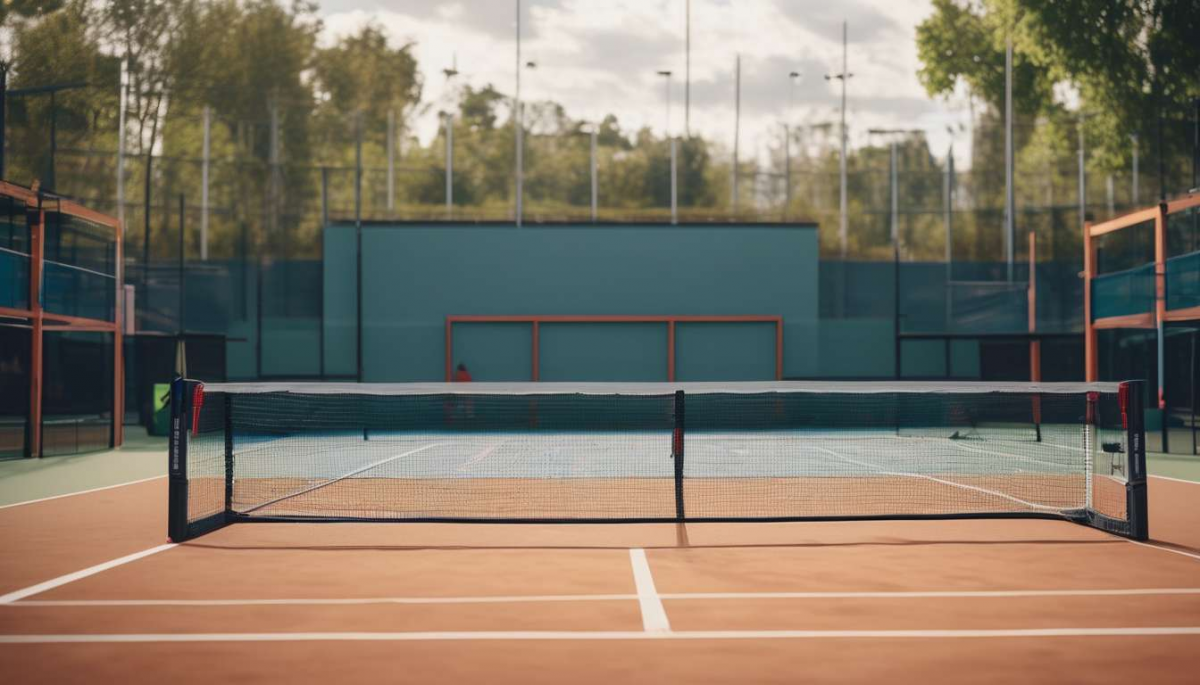
The sport of padel, characterized by its smaller courts and simplified rules, allows individuals of varying skill levels to engage in recreational play without the intimidation often associated with football. This accessibility fosters a welcoming environment, encouraging participation from diverse age groups and fitness levels.
Padel has emerged as a social phenomenon, where the emphasis on doubles play naturally cultivates camaraderie and teamwork.
Unlike football, where competitive intensity may overshadow social interaction, padel offers a more balanced approach by:
- Prioritizing enjoyable interaction
- Reducing aggressive competition
The sport’s less physically demanding nature also reduces the risk of injury, making it an attractive option for those seeking exercise that prioritizes wellbeing.
The growing appeal of padel over football lies in its ability to create a sense of community, offering an inclusive and sociable recreational alternative.
Padel’s Impact on Traditional Sports Culture
Padel’s Growing Popularity
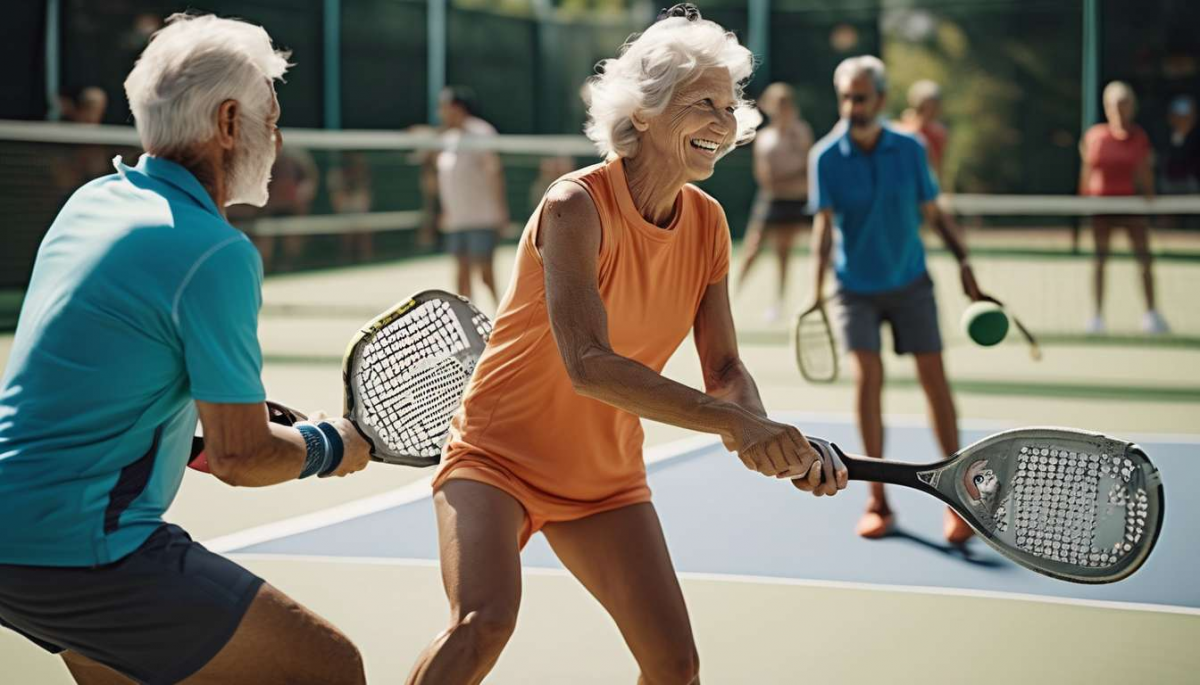
As padel gains popularity, it challenges traditional sports culture by offering a more inclusive and socially engaging alternative. The sport’s accessibility and appeal lie in its ability to cater to a broad demographic, making it a compelling recreational activity.
Urban Accessibility
Padel courts, often found in urban environments, provide a space where individuals from diverse backgrounds can participate without the intimidation often associated with more established sports.
Social Phenomenon
This social phenomenon reshapes the landscape of sports by emphasizing community and interaction over competition. Unlike traditional sports, padel prioritizes enjoyment and camaraderie, fostering relationships among participants.
Key Features of Padel
The sport’s format encourages:
- Communication
- Teamwork
These features enhance the sense of belonging among its players.
Inclusive and Relaxed Atmosphere
Moreover, padel’s informal nature allows for a relaxed atmosphere, attracting those who may feel excluded from more competitive sports. As a result, padel strengthens community bonds, creating a supportive environment that values inclusivity.
Impact on Traditional Sports Culture
Its impact on traditional sports culture is thus significant, as it redefines what it means to participate in recreational activities.
Padel’s Rise: A Social Sports Phenomenon
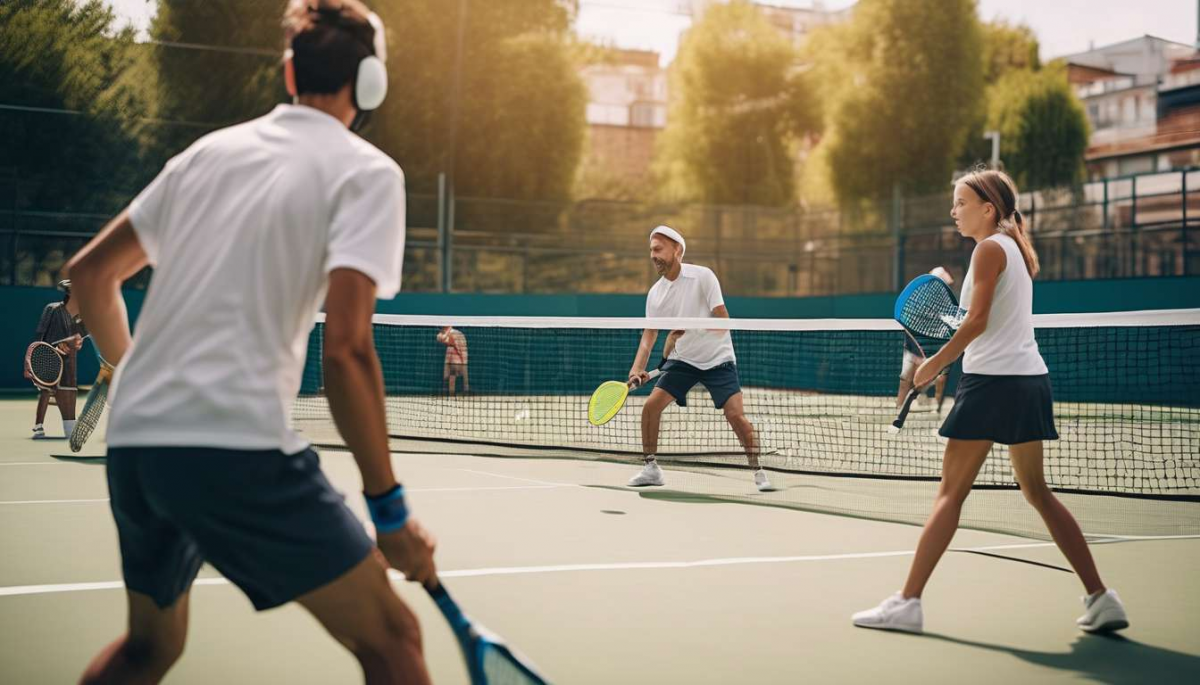
In recent years, the emergence of padel as a widely embraced sport has captured the attention of diverse communities worldwide, transforming it into a significant social phenomenon. This sport, blending elements of tennis and squash, has gained popularity due to its accessibility and emphasis on social interaction.
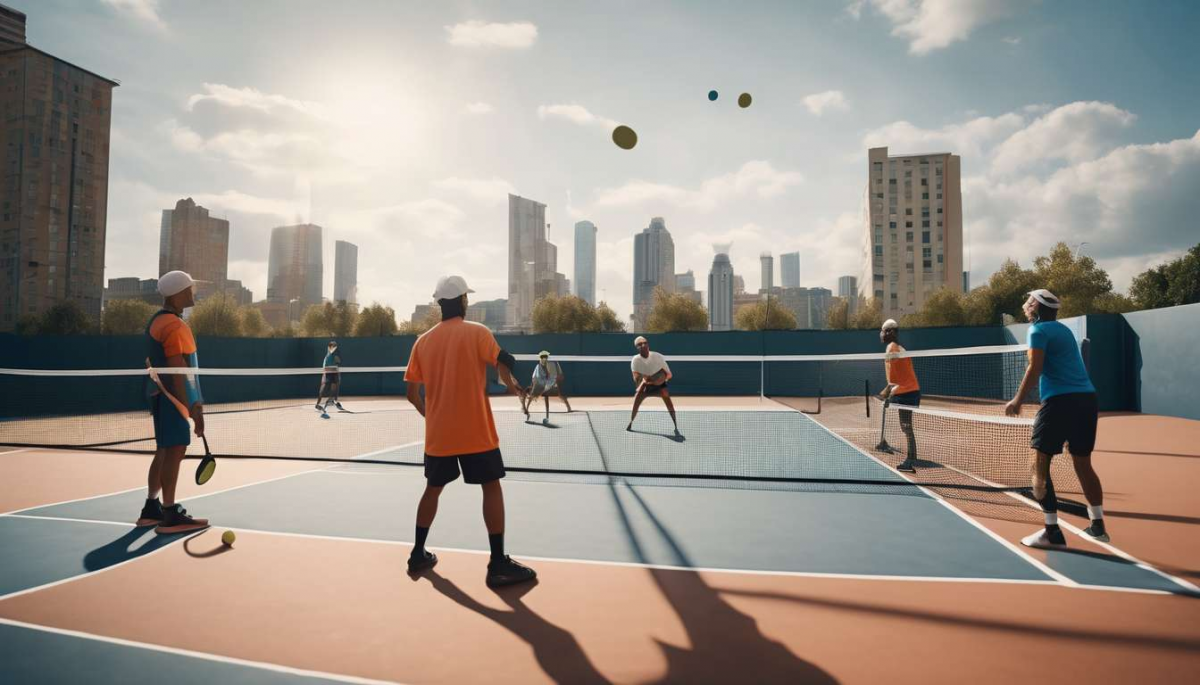
Padel courts have become hubs for recreational activities, attracting individuals seeking a sense of belonging and community engagement. The sport’s appeal lies in its ability to accommodate players of varying skill levels, fostering an inclusive environment where participants can connect and forge new relationships.
The rise of padel has also contributed to its status as a social phenomenon by promoting an active lifestyle and encouraging social cohesion. Community centers and sports clubs have increasingly integrated padel courts, recognizing the demand for this recreational activity.
As a result, padel has transcended its role as merely a sport, evolving into a catalyst for social gatherings and shared experiences, further solidifying its cultural significance.
Analyzing Padel’s Global Expansion
In recent years, numerous countries have embraced the rapid spread of padel, resulting in a significant increase in the number of courts and players worldwide. This growth has transformed padel from a niche activity into a global recreational and social phenomenon.
The sport’s appeal lies in:
- Its accessibility
- The sense of community it fosters
This attracts individuals from diverse backgrounds who seek inclusive sporting experiences.
The expansion of padel is evident in its adoption across:
- Europe
- Latin America
- The Middle East
Countries such as Spain, Argentina, and Sweden have witnessed exponential growth in participation rates, fueled by investments in infrastructure and the establishment of competitive circuits. Padel clubs are increasingly becoming social hubs where enthusiasts connect over shared interests, reinforcing a sense of belonging.
Furthermore, the sport’s rapid expansion has prompted international federations to establish standardized rules and governance structures, ensuring consistency and fostering further growth.
Padel’s global presence continues to strengthen, reflecting its status as a dynamic and evolving social sports phenomenon.