
Popular opinion often heralds football as the quintessential sport, captivating millions worldwide with its strategic complexity and electrifying atmosphere. However, could the fast-paced, adrenaline-pumping realm of ice hockey offer a comparable, if not superior, fan experience? This question invites a closer examination of how different sports capture the imaginations and loyalties of spectators.
Football:
- Known for its globally diverse teams and historic rivalries.
- Dominates the sports industry through vast economic influence and cultural significance.
Ice Hockey:
- Though perhaps less ubiquitous, it brings its own appeal through thrilling gameplay.
- Boasts a distinct cultural heritage, particularly in regions where icy winters prevail.
The transition from football to ice hockey fandom represents more than a mere shift in sport; it reflects evolving preferences shaped by:
- Regional influences
- Accessibility
- Media presence
This exploration seeks to understand the factors compelling fans to seek the exhilaration of ice hockey, a sport gaining traction beyond traditional borders.
For those eager to dive deeper into the world of ice hockey, hockeystore.com offers a comprehensive guide to gear, team histories, and the latest news in the sport.
Global Influence of Football
Football’s Global Influence
Football’s influence is truly global, captivating millions across diverse cultures and continents. Often referred to as the “beautiful game,” it serves as a universal language that bridges cultural gaps, fostering a sense of unity and belonging among its fans.
Key Features of Football’s Appeal
-
Simplicity and Accessibility:
- Requires minimal equipment
- Can be played almost anywhere
-
Ability to Unite:
- Transcends geographical boundaries
- Creates a shared identity among a diverse fan base
Transition to Ice Hockey
While football holds a dominant position in global sports culture, a transition in fandom to ice hockey is observed in certain regions. This shift may be attributed to:
- Climatic conditions
- Growing popularity of ice hockey leagues
Enduring Legacy of Football
Despite regional shifts in sports preferences, football’s expansive influence remains a testament to its enduring legacy and widespread appeal. The cultures and communities that rally around football exemplify the power of sport to unite people, offering a sense of belonging that transcends individual backgrounds.
Economic and Cultural Dominance
The Economic and Cultural Dominance of Football
Football’s dominance in both the economic and cultural spheres continues to overshadow many other sports. It generates substantial revenue and influences societal norms worldwide.
Global Appeal and Community Building
As a global phenomenon, football attracts vast audiences and fosters a sense of community among fans. Its widespread appeal and financial viability give it a unique position in the sports industry, often eclipsing other sports, such as ice hockey.
Economic Impact and Cultural Significance
The popularity of football has led to:
- Significant investments in infrastructure
- Lucrative media rights
- Extensive sponsorships
These factors consolidate its dominance and reinforce its cultural significance, making football an integral part of many societies.
Challenges for Ice Hockey
Ice hockey, while popular in specific regions, struggles to match football’s economic impact and cultural reach. The entrenched position of football presents challenges for sports like ice hockey, which seek to expand their influence.
Transition and Diversification in Sports Fandom
A gradual transition in fandom is observable as enthusiasts explore alternatives like ice hockey. This shift reflects:
- Changing preferences in sports consumption
- A desire for fresh experiences
- Seeking a sense of community belonging
This transition may signify a desire for diversification in sports consumption, hinting at evolving cultural landscapes.
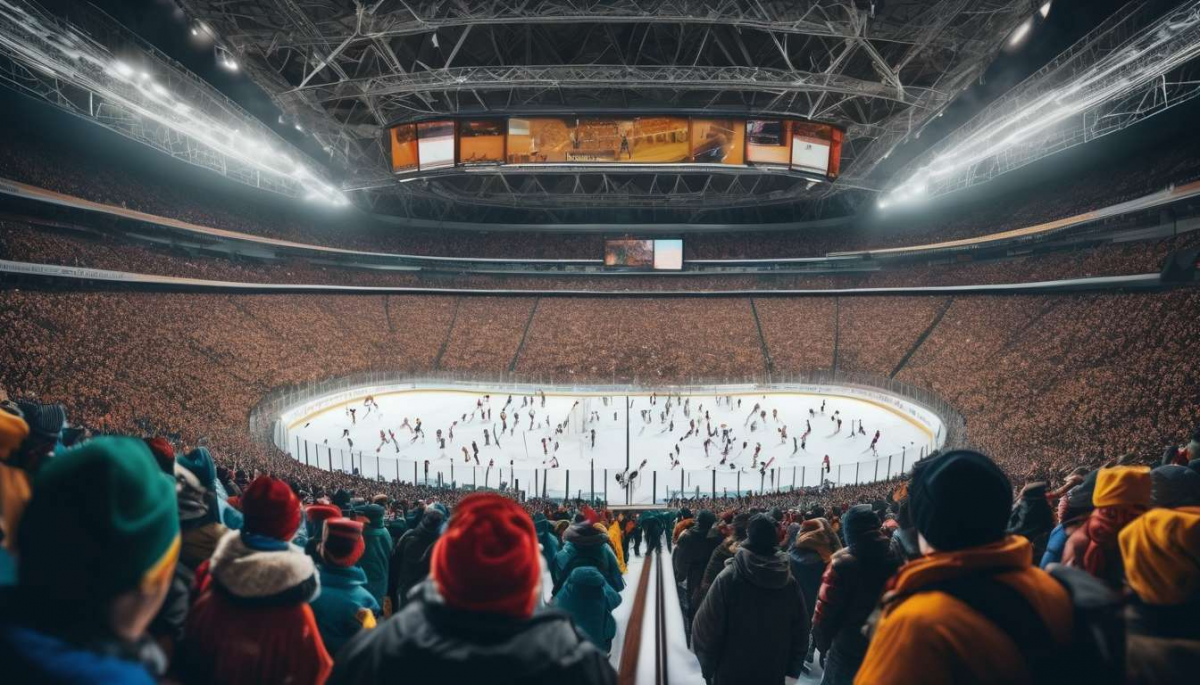
Thrilling Gameplay in Ice Hockey
Ice hockey offers a thrilling spectacle with its fast-paced action and intense physicality, captivating audiences worldwide. This sport combines speed, skill, and strategy, creating an exhilarating environment for both players and spectators.
Key Features of Ice Hockey:
- Continuous motion on the ice
- Rapid shifts in play
- Fluidity that contrasts with the segmented action of football
These elements ensure that excitement is never in short supply and keep fans on the edge of their seats.
Transitioning from Football to Ice Hockey Fandom:
-
Embrace the High-Energy Atmosphere: Ice hockey’s thrilling gameplay encourages community engagement and fosters a shared sense of excitement and unity among supporters.
-
Appreciate the Unpredictability: The sport’s inherent unpredictability, with potential for rapid goal scoring and dramatic shifts in momentum, enhances the appeal for those seeking a more constant adrenaline rush.
-
Explore a New Sports Community: For fans accustomed to football’s structured play, ice hockey offers a refreshing alternative, providing a new avenue for passion and camaraderie within a vibrant sports community.
Overall, ice hockey’s dynamic experience presents a captivating alternative for sports enthusiasts looking for continuous excitement and a sense of community.

Cultural Heritage of Ice Hockey
Rooted in the frosty landscapes of Canada, ice hockey’s cultural heritage is a testament to its enduring influence and significance in shaping national identity. This sport, much like football, transcends mere entertainment, serving as a unifying force that fosters community spirit and shared traditions.
Ice hockey, with its dynamic energy and deep-rooted history, has become integral to the cultural fabric of numerous communities worldwide, encouraging a sense of belonging among its followers.
As the fandom transition from football to ice hockey gains momentum, the cultural implications are noteworthy. The sport’s rich history, intertwined with tales of perseverance and camaraderie, draws enthusiasts seeking a deeper connection to a shared past. The transition is not merely about adopting a new sport but embracing a cultural phenomenon that speaks to values of resilience and community engagement.
The cultural heritage of ice hockey offers a unique narrative that resonates with individuals looking to be part of a larger, vibrant community dedicated to preserving its storied legacy.

Factors Shaping Fandom Transition
Several key factors influence the transition of fandom from football to ice hockey, including geographical shifts, media exposure, and changes in cultural preferences.
1. Geographical Shifts
- Individuals relocating to regions where ice hockey is more popular often gravitate towards the sport.
- This shift fosters a sense of community and belonging, as fans become part of a vibrant and enthusiastic group.
2. Media Exposure
- Increased coverage of ice hockey on television and digital platforms broadens access to the sport.
- This heightened visibility allows potential fans to engage more readily, sparking interest and loyalty among those who previously followed football.
3. Changes in Cultural Preferences
- As societal values evolve, sports that align with contemporary ideals gain traction.
- Ice hockey’s emphasis on teamwork, resilience, and excitement appeals to audiences seeking new forms of entertainment and connection.
These factors collectively drive the transition from football to ice hockey fandom.

Emerging Trends in Sports Preference
A growing number of sports enthusiasts are shifting their preferences toward dynamic and fast-paced games like ice hockey, reflecting broader societal trends in entertainment consumption. This emerging trend is indicative of a desire for high-energy experiences that align with the fast-paced nature of modern life.
Ice hockey, with its thrilling speed and intense action, offers fans a unique sense of belonging to a community that values excitement and camaraderie.
The fandom transition from traditional sports like football to ice hockey highlights a broader cultural shift. Football, long cherished for its strategic depth and community ties, may not always satisfy the demand for immediacy and rapid engagement.
In contrast, ice hockey captivates audiences with its:
- Continuous action
- Physical prowess
This fosters a sense of shared enthusiasm among its followers.
These changes in sports preference illustrate a dynamic landscape where audiences seek new ways to connect and engage. The emphasis is on the importance of adaptability in the ever-evolving world of sports entertainment.